

Alsace wine is among the easiest wines in France to enjoy and among the subtlest to understand. There is no château name in the spotlight: the grape variety gives the wine its name. Mineral Riesling, aromatic Gewurztraminer, sparkling Crémant: after a few tastings you quickly grasp how rich this wine region is.
Our holiday cottages are in Herrlisheim-près-Colmar, a wine village in the heart of the vineyards. Here are the essentials of Alsace wine, to help you choose and enjoy it.
A distinctive wine region
The vineyards stretch in a narrow band at the foot of the Vosges, from Marlenheim to Thann. The mountains block clouds coming from the west: Colmar is one of the driest towns in France. This sunny climate and the great variety of soils, granite, limestone, sandstone, marl or schist, produce aromatic wines that vary from one village to the next.
The seven grape varieties
- Riesling: dry, mineral and taut, the best known. With fish and sauerkraut.
- Gewurztraminer: very aromatic, with notes of rose, lychee and spice. With Munster cheese and spicy food.
- Pinot Gris: rich, smoky, sometimes slightly sweet. With white meat and foie gras.
- Muscat: dry and very fruity, tasting of fresh grapes. As an aperitif or with asparagus.
- Sylvaner: light and refreshing. With tarte flambée.
- Pinot Blanc: round and versatile.
- Pinot Noir: the only red, light and fruity.
The three appellations
- AOC Alsace: the vast majority of wines, with the grape variety on the label.
- Alsace Grand Cru: 51 defined vineyard sites with lower yields. Near Eguisheim, Eichberg and Pfersigberg; in Turckheim, the Brand.
- Crémant d'Alsace: the region's sparkling wine, made by the traditional method.
Late-harvest wines
In some years, winegrowers pick very ripe grapes, sometimes touched by noble rot. They make sweet, concentrated wines: Vendanges Tardives and, rarer still, Sélection de Grains Nobles. Serve them with foie gras, blue cheese or fruit desserts.
Reading an Alsace wine label
1. The grape variety: Riesling, Pinot Gris…
2. The appellation: Alsace, Alsace Grand Cru or Crémant d'Alsace.
3. The grand cru or vineyard name, if any.
4. The vintage.
5. The sweetness indication, increasingly common: dry, off-dry, medium, sweet.
Serving Alsace wine
- Dry whites: 8 to 10 °C.
- Aromatic whites and grands crus: 10 to 12 °C.
- Crémant: well chilled, around 6 to 8 °C.
- Pinot Noir: lightly chilled, around 14 °C.
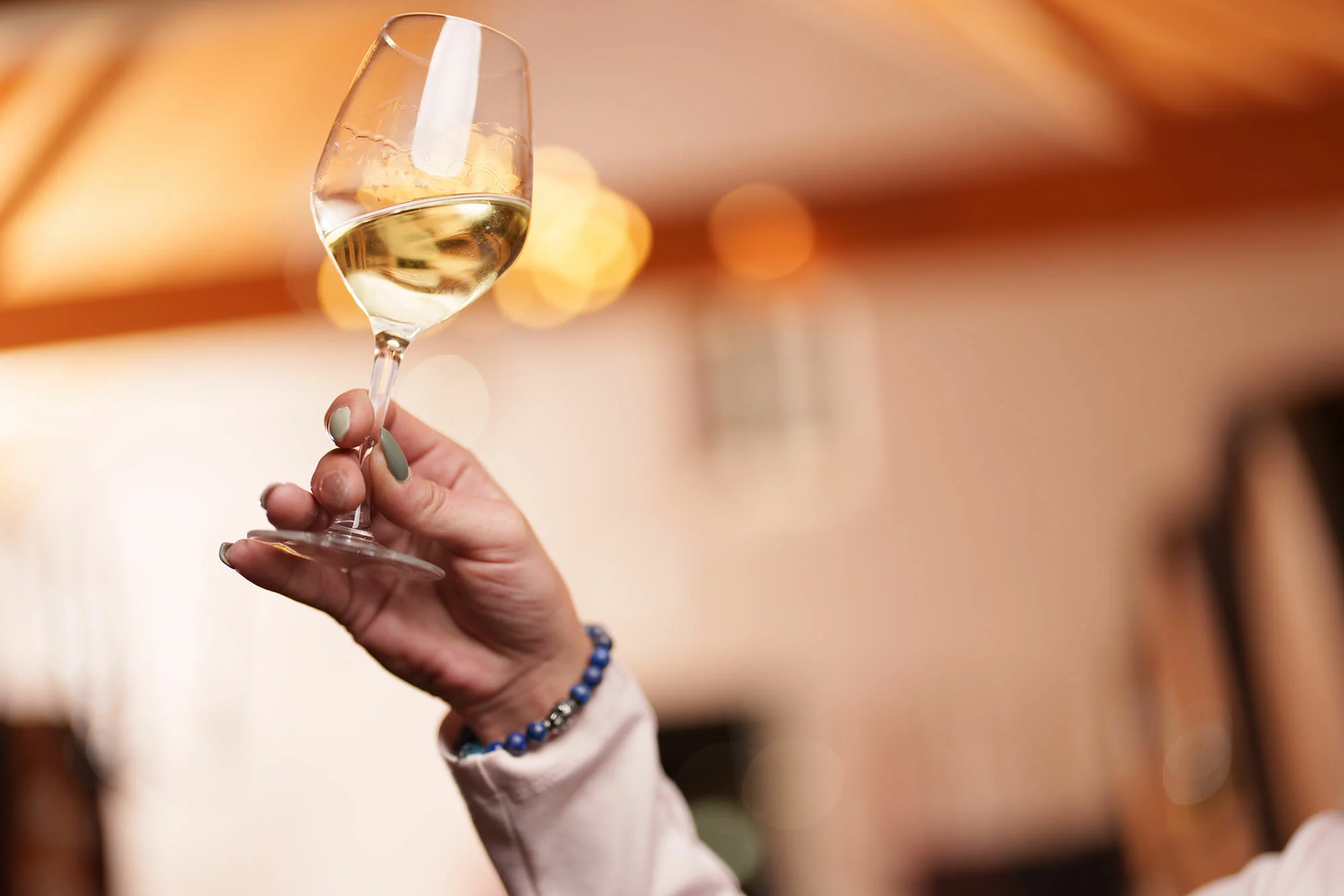
Open aromatic whites a little before serving and taste them over the course of the meal: Alsace wines often reveal more as they warm slightly in the glass.
Buying and taking Alsace wine home
Many cellars sell directly at the property and can ship abroad, which is often easier than carrying cases on a flight. Within the EU you can bring back wine for personal use; outside the EU, check your country's allowances. Ask the winegrower to wrap bottles well if you are driving home.
Where to discover Alsace wine
- On the wine route: see our guide to the Alsace wine route.
- In the villages: see the most beautiful villages in Alsace.
- In Colmar: the town hosts the Alsace wine fair every summer.
Where to stay in the heart of the vineyards
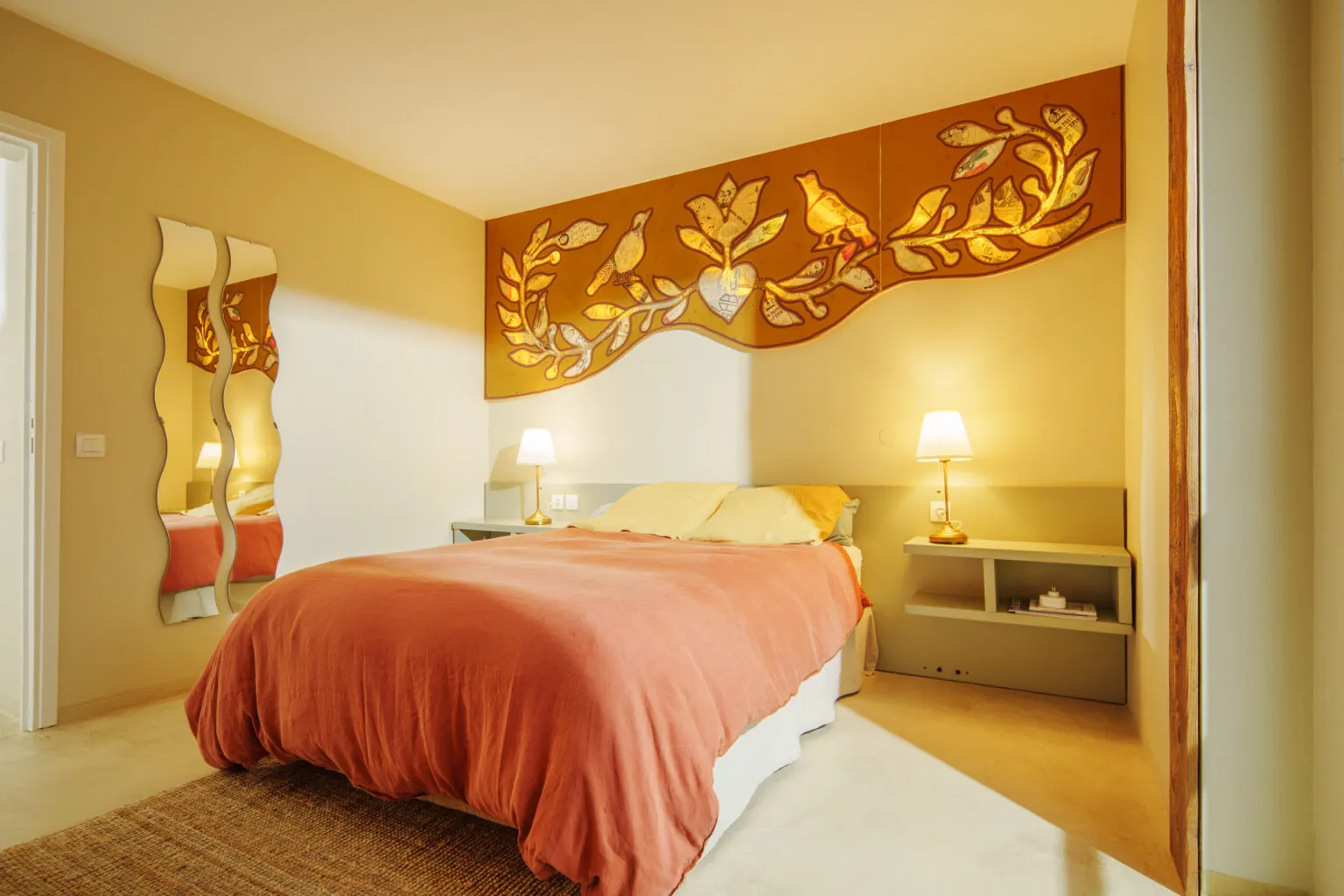
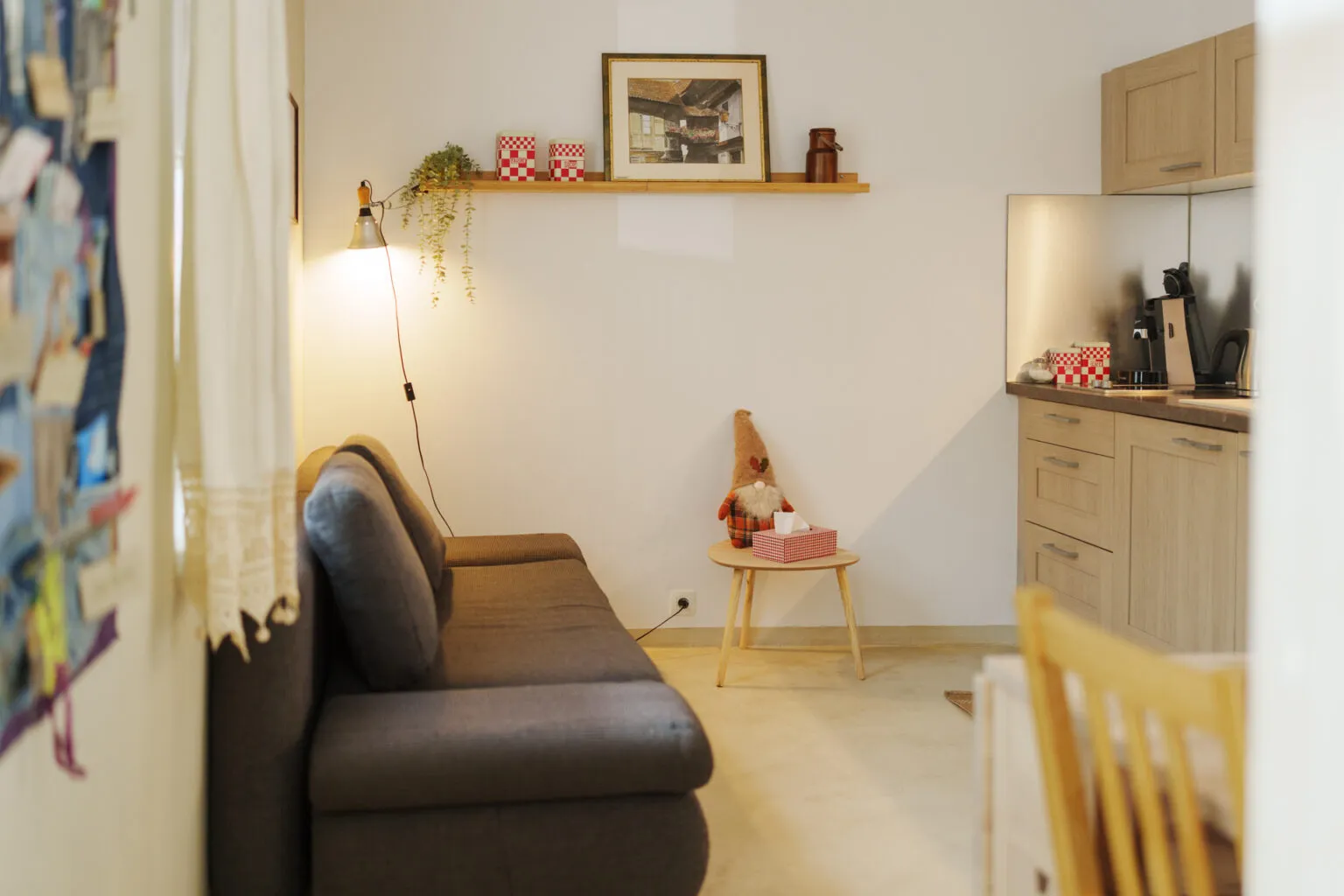
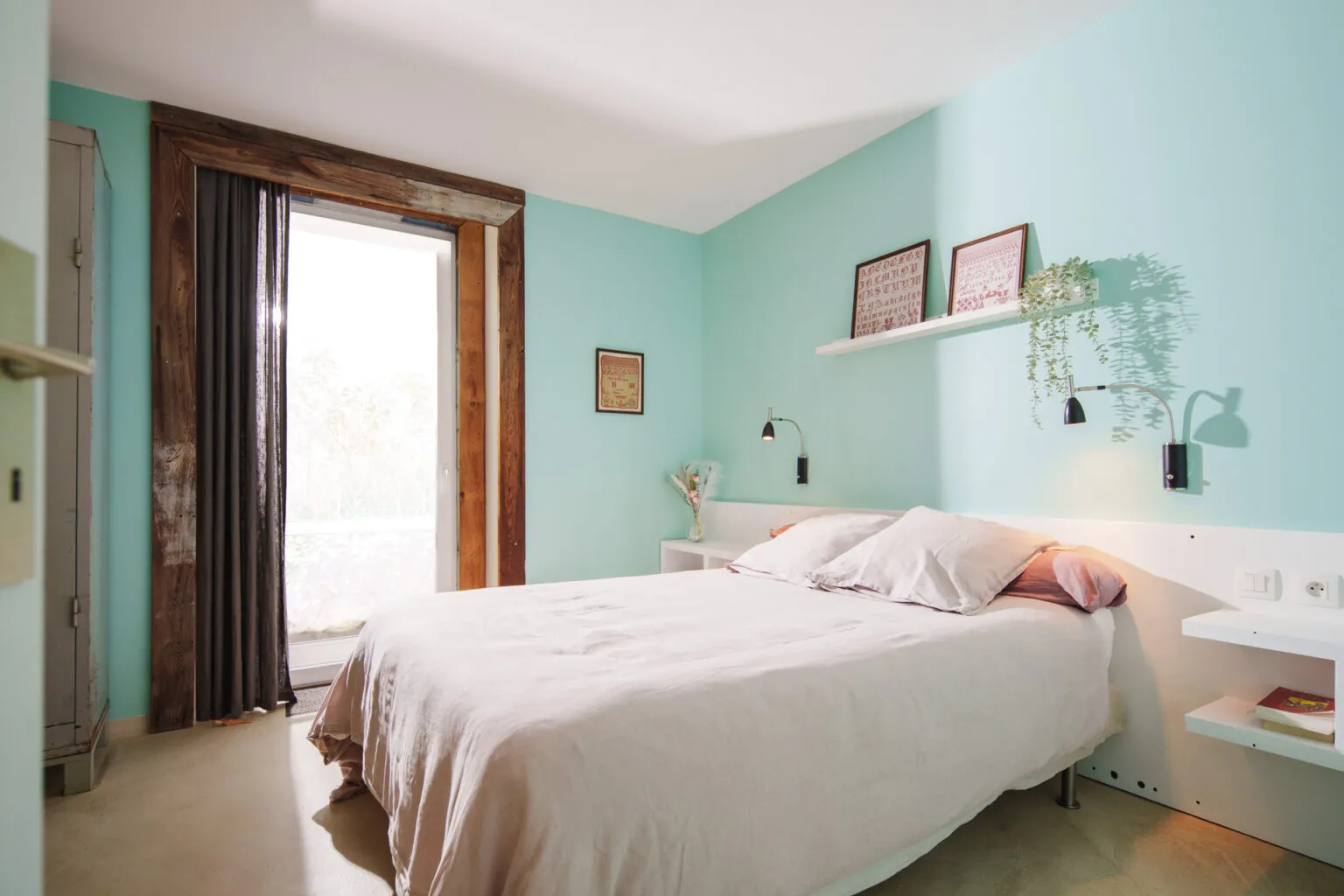
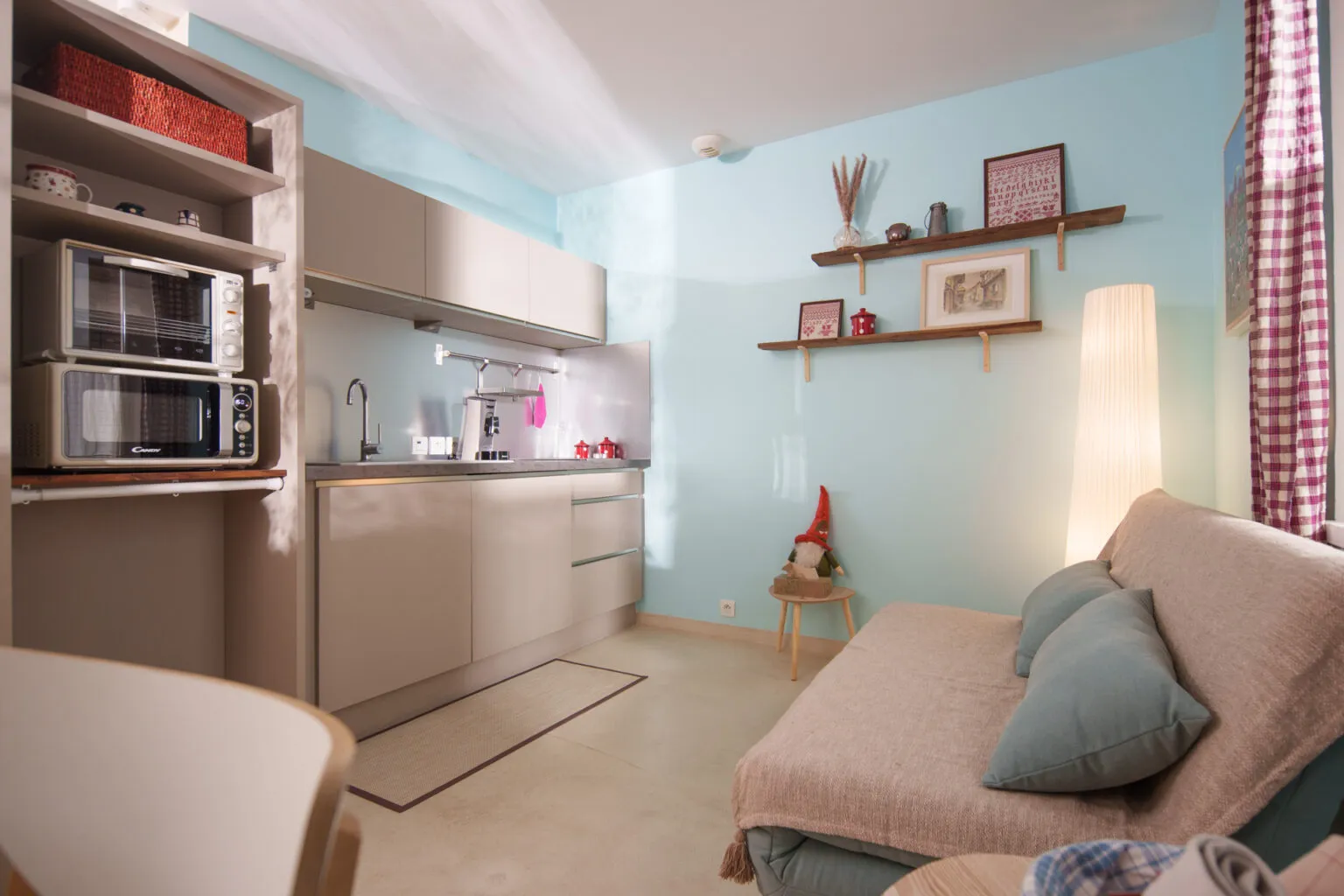
Our two single-storey cottages are in Herrlisheim-près-Colmar, a wine village at the foot of the slopes, 3 km from Eguisheim and its grands crus. Our guests have e-bikes available on site to reach the cellars through the vines. La Kusch sleeps up to 4 and La Schlappe up to 3. See our accommodation near Colmar.